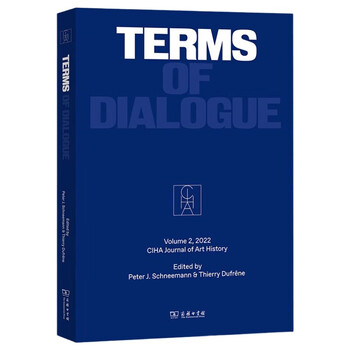






1. 以对话为原则,《国际艺术史学会学刊》为世界各地艺术史的研究学者提供展示学术成果的平台。
2. 从非洲雕塑、中国山水画,再到当代装置艺术,本书主题广泛、多元,对于普通的艺术和艺术爱好者来说,是一个了解各国艺术的窗口。
3. 本书集结世界各国大学、研究所的艺术家与艺术史学者,作者们以深厚的学术与理论功底,对“对话”这一概念做深入诠释。国内艺术史、艺术理论等领域的研究者读来也会有所启发和帮助。
CIHA Journal of Art History (国际艺术史学会学刊)旨在为世界各地艺术史研究学者创造一个展示自己学术成果的平台,以此促进国际艺术史研究与艺术史教育的交流与发展。本期主编彼得•施内曼(Peter J. Schneemann)和蒂里•迪弗勒内(Thierry Dufrêne)选取由中国、加拿大、芬兰、南非等国家的学者完成的多篇论文,展示不同文化背景的学者如何理解、阐释“对话”这一概念。来自不同文化背景的作者们,从中西传统艺术到现代艺术等多个主题,展示“对话”原则赋予艺术与艺术史研究的创造力与生命力。
In addition to this, “African art” carries a particular epistemic burden because of the ways in which it has historically been constructed as “art.” Valentine Yves Mudimbe argued that the term emerges from a Western epistemic project of order and categorisation, rather than a cross-cultural engagement with aesthetics, histories, and epistemologies. Mudimbe argues, “(w)hat is called African art covers a wide range of objects introduced into a historicising perspective of European values since the eighteenth century.” Consequently, he wonders whether “understood in their initial form and significance, [these objects] would not have created a radical ‘mise en perspective’ of Western culture.” The radical epistemological potential of African art, which has been systematically evacuated by dominant knowledge economies, lies in the fact that recognising ancient traditions of art and visual culture in Africa (and the ontological and epistemological consequences that follow from them) challenges the false premise that African history begins only after the colonial encounter and challenges racial hierarchies and racialised justifications of colonialism. If a “mise en perspective” of Western culture were catalysed, it may enable an expansion of the very notion of art, possibly one detached from the idea of a commodity and detached from the idea of “an original.”
At present however, not only is historical art from Africa measured in relation to the idea of originality, it also is framed through authentication processes (or performances) which often rely on fabricated notions of “mysticism,” “tradition,” “tribe” and “magic.” Current debates on the restitution of art from Africa, have critiqued these fabricated notions as having a carceral character. Appiah describes this double bind in the construction of African art: “[a]n ideology of disinterested aesthetic value (the baptism of Negro art as Aesthetic) meshes with the international commodification of African expressive culture, a commodification that requires (by the logic of the space clearing gesture) the manufacture of Otherness.”9 The requirement to validate authenticity through professional expertise is beneficial to those occupying seats of power in this discursive field (art dealers, curators, scholars), as the system enables the validation of certain kinds of knowledge about objects over others.
Introduction Peter J. Schneemann/Thierry Dufrêne
The Third Abstraction: The Possibility and Impossibility of Dialogue LaoZhu
Comparative Epistemology as Art-Historical Practice Jennifer Purtle
Seriality: Artistic Articulations of Engagement Sophia Olivia Sanan
Dialogue with Non-Humans in Contemporary Art and the Expansion of Posthuman Subjectivity Jing Yang
Always More-than-human Katve-Kaisa Kontturi/Murat M. Türkmen/Jenni Vauhkonen/Suvi Vepsä
Contributor Biographies
温馨提示:请使用浙江图书馆的读者帐号和密码进行登录